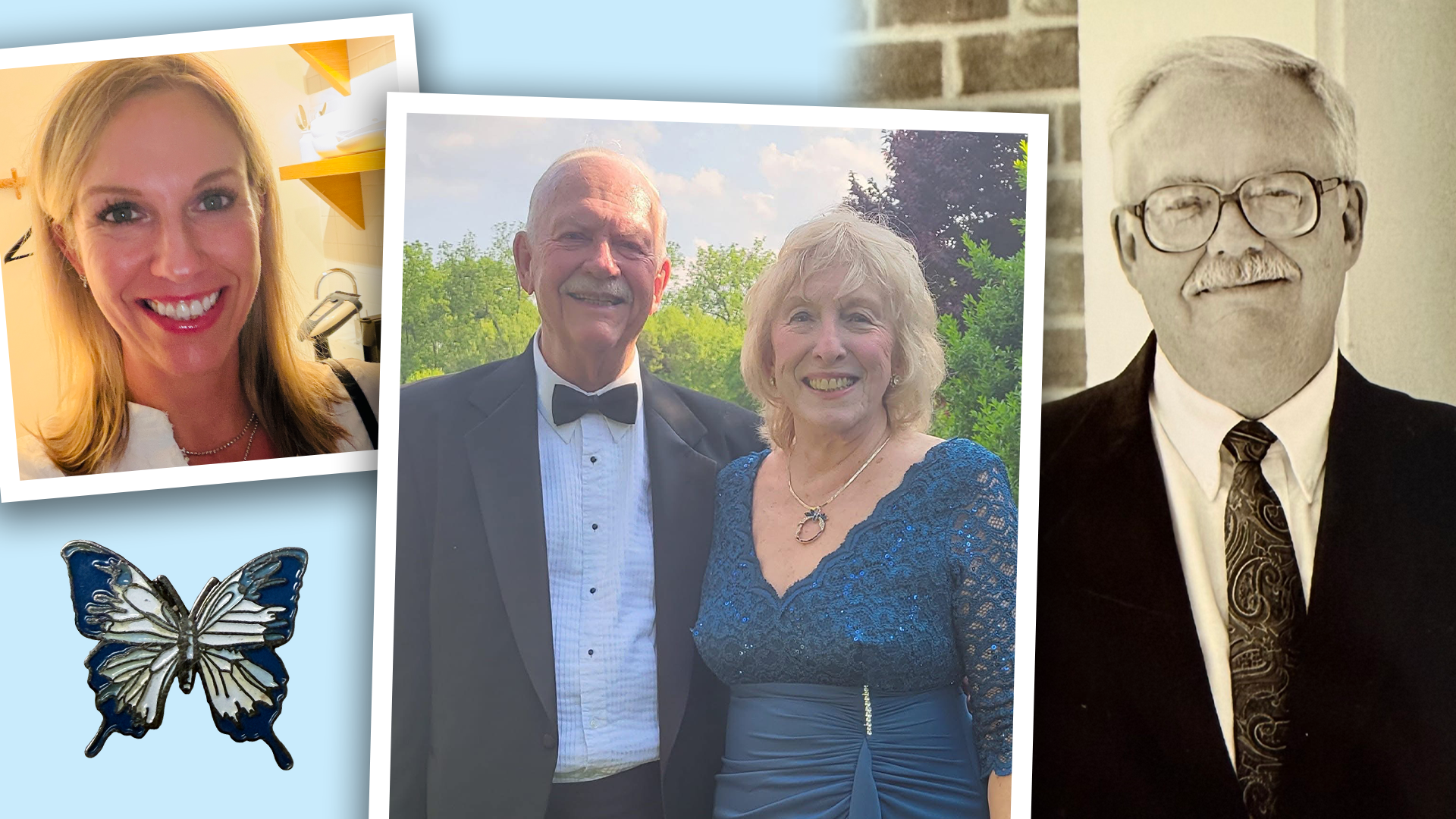
“It’s like his spirit of giving back and creating programs that give to others and serve others kind of just left him and came into me because that’s when I became inspired.”
The most powerful acts of service create ripples we may never fully understand.
We rarely get to see the full impact of our lives. A conversation, a kindness, a decision to serve, a commitment to a cause. Most of the time, the ripples spread quietly beyond our view. The story of George Caley, founding leader of Blue Ridge Hospice, and his daughter, Rachel Thurnher, reveals just how far those ripples can travel.
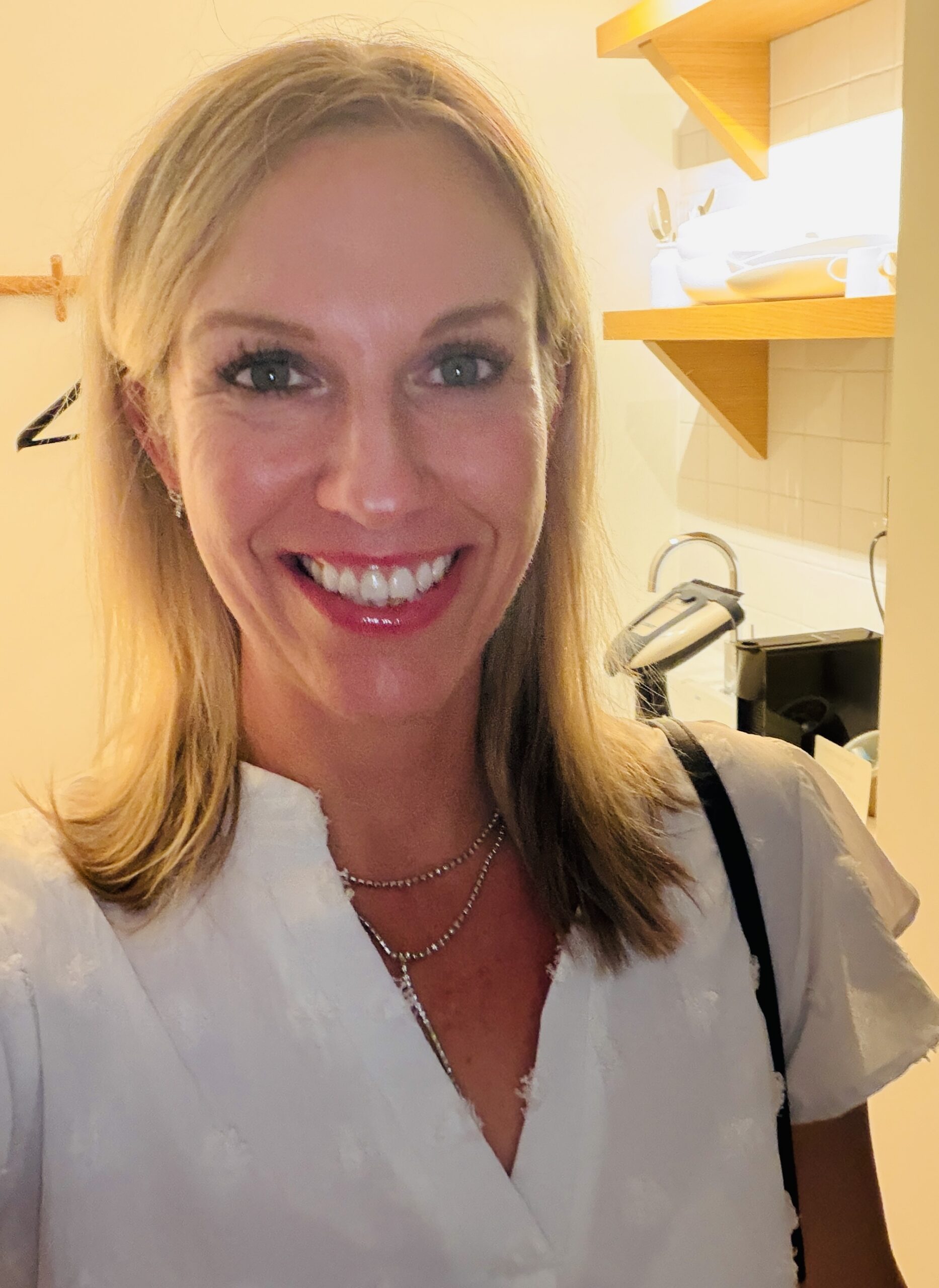
Rachel Thurnher, whose father, George Caley, helped shape Blue Ridge Care from its earliest days, went on to make her own contribution to compassionate end-of-life care through No One Dies Alone.
The Quiet Power of Service
“Growing up, he was just Dad,” Rachel remembers. “I knew he worked at the hospital and maybe was in charge of some things, but I had no idea all the boards he served on.”
Rachel worked as a CNA and pharmacy tech before finding her true passion — nursing. She currently works as a cardiac nurse educator at Cape Fear Valley Medical Center, and as a per diem hospice nurse at Valley Hospice House in Fayetteville, NC.
Rachel says she didn’t fully grasp how many lives her father had influenced until after his death.
“When it really hit me,” Rachel recalls, “just how many lives he had touched, was at his funeral, because the amount of people that came. People that were total strangers to me and that he had this big impact on, it just showed how far and wide his reach was”.
“I’m so proud of both of my parents. They have both lived to serve others. And thanks to them, giving back is just kind of in my blood.”
“I’m so proud of both of my parents. They have both lived to serve others. And thanks to them, giving back is just kind of in my blood.”
When Work Becomes Personal
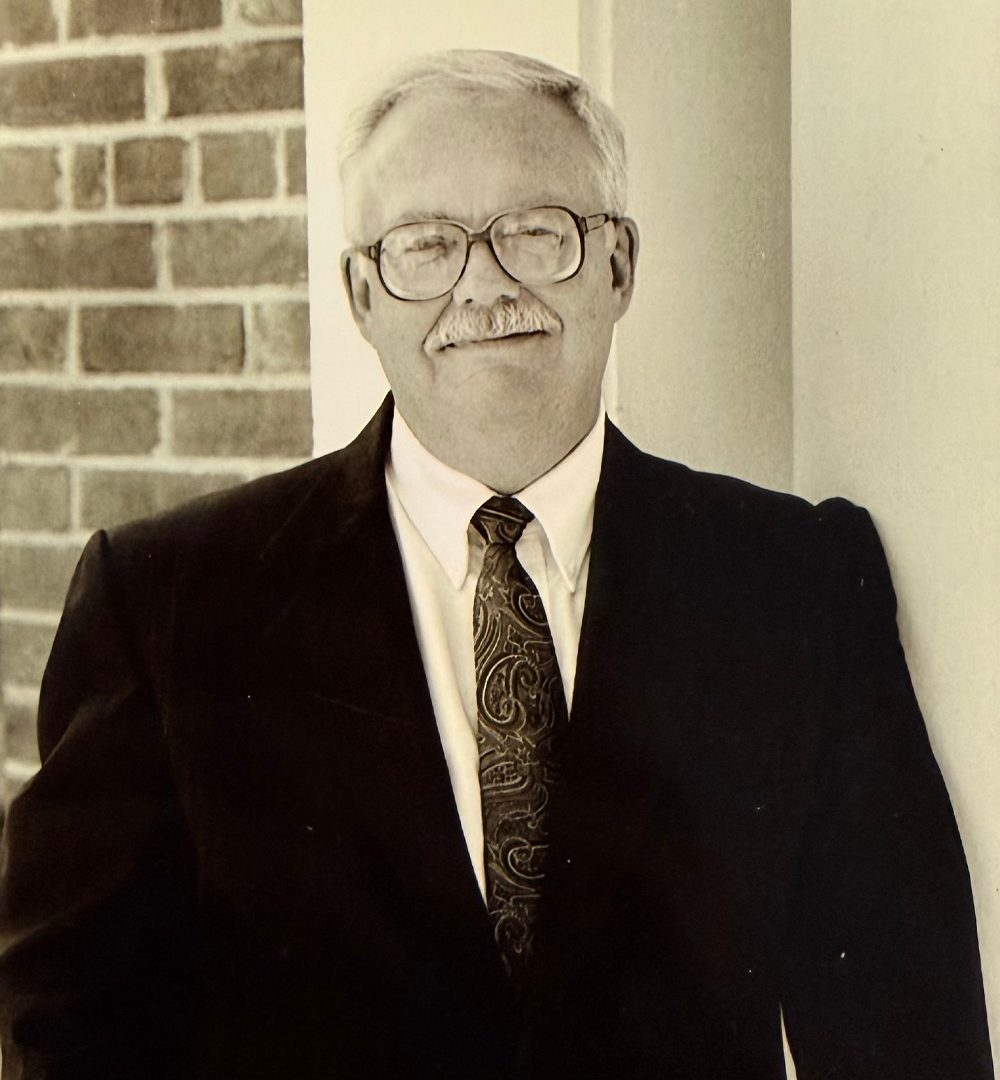
George Caley, one of the early leaders who helped turn the vision for hospice care in our community into reality.
In January 2023, George Caley, who was serving as Chair of the Blue Ridge Hospice Board of Directors at the time, was diagnosed with pancreatic cancer. Having spent decades helping advance the hospice mission, he and his family turned to Blue Ridge Hospice for support. Over the next four and a half months, George received in-home hospice care, allowing him to remain at home, surrounded by those he loved. On May 12, 2023, he died a calm and peaceful death at home, holding the hands of his daughter, Rachel, and his son.
“I think that shows just how much he believed in this entity he created, Blue Ridge Hospice, and the mission,” says Rachel. “It was like he was saying ‘this is not just me preaching, this is practicing what I preach — I’m going to allow Blue Ridge Hospice to take care of me and my family at our biggest time of need, at our most vulnerable’.”
George’s final chapter reflected the same belief that had guided much of his life’s work: that compassionate end-of-life care matters deeply, both for patients and for the families who walk beside them. Even during his final months, he remained one of hospice’s strongest advocates.
“He even did an interview with the Winchester Star, literally from his hospital bed at our house, 8 weeks before he died,” Rachel remembers. “Even then, he was still giving. Long after retirement, while he didn’t feel well, he was still trying to build others up.”
An Idea Born At The Bedside
For Rachel and her family, those months became a precious gift. “It was a really special time that I cherish and I’m grateful for,” she says. “As a cardiac nurse, I know all too well that if there’s one gift that getting a terminal diagnosis gives, it’s that you have some time often to say the things that need to be said, to get your affairs in order, to go through that anticipatory grieving process and maybe even make a little peace.”
“And for the four-and-a-half months that my dad was in Hospice, we did have that,” Rachel remembers. “We went through his old desk drawers. We found an old family Bible. He was discovering things about his grandfather he never even knew just from reading old letters.”
When George’s final days arrived, his wishes were simple. He wanted to remain at home. He did not want to be in pain. And he did not want to die alone. Hospice made all three possible. “I remember realizing that it really can be a beautiful, peaceful experience.”
“It was such an honor for me to be there,” she said. “And I thought, ‘Wow, I want to do this for other people. I want to give back to hospice patients.'”
Specifically, she began thinking about people approaching the end of life who might not have loved ones at their bedside. “Sometimes families have other obligations. Maybe they’re taking care of young children or another family member, or they have a full-time job, or they live far away — whatever the case may be.”
But when she looked into volunteer opportunities in her area, she didn’t find anything. “So I thought, well, I’m going to start something,” Rachel says.
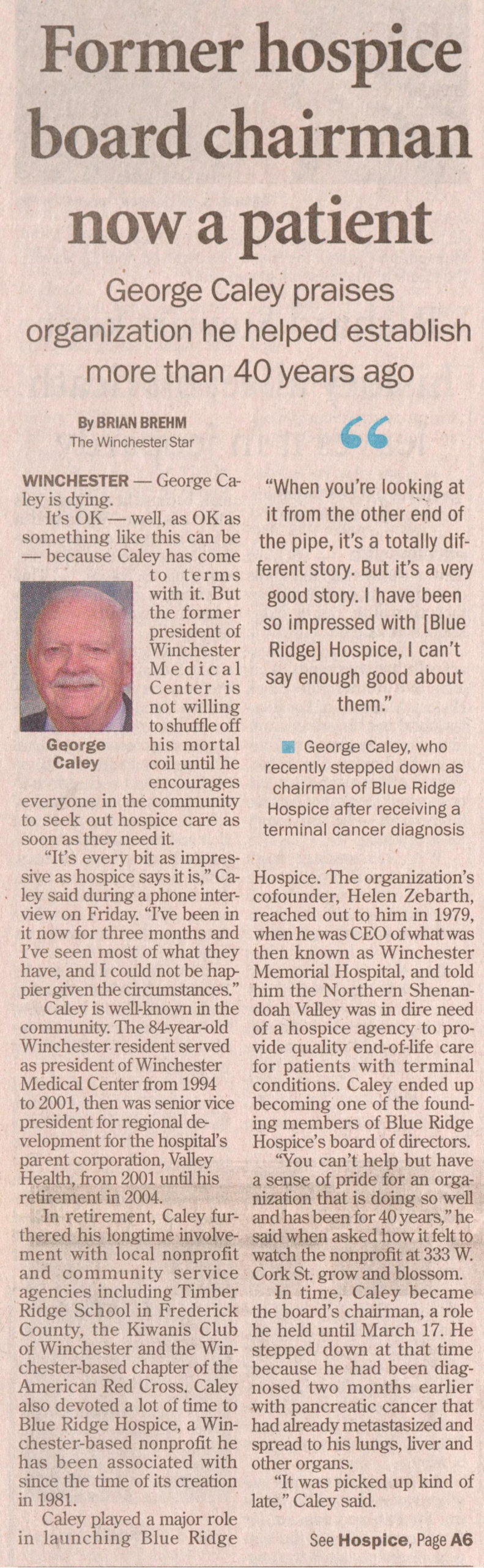
George Caley’s story, published in The Winchester Star on May 1, 2023, reflects his longtime connection to Blue Ridge Hospice, first as a board leader and later as a patient.
No One Should Ever Die Alone
Rachel discovered No One Dies Alone (NODA), an international volunteer program that provides compassionate companionship to patients who may otherwise face death alone. She began researching, meeting with hospital leaders, and building support – much like her father had done in the early years of Blue Ridge Hospice.
In 2025, a NODA chapter was launched at her hospital. “We went live January 30, with five volunteers.”

“I really have my dad to thank. He was the inspiration for all of it.”
Today, the program Rachel created has grown exponentially. The chapter, the only active chapter in the state of North Carolina, has served more than 100 patients and families in its first year alone. “We didn’t know how big the need was, but I’m so proud to say we were supporting 3 to 4 patients a week.”
As NODA Program Coordinator, Rachel has personally trained all 200 volunteers.
“I train all new volunteers. We go over the clinical aspect of what death, dying, and end of life looks like, but also spiritual care, and compassionate communication.
“My favorite part about doing that training every month is that I tell my dad’s story every time. It helps me keep his memory and legacy alive, and I feel like it’s part of his legacy continuing.”
A Story Still Being Written
In many ways, the mission George worked a lifetime to realize at Blue Ridge Hospice continues through every NODA volunteer who sits at a bedside, in every hand held during a final chapter, and with every family who finds peace knowing their loved one is not alone.
And so forty-five years after Blue Ridge Hospice began, George Caley’s story is still unfolding, carried forward through the people he served, the organization he helped build, and Rachel, the daughter who transformed her family’s hospice experience into a remarkable mission of compassion for others.
A lifetime of service rarely ends where we think it does. It ripples outward, touching lives we may never meet, in ways we may never fully know. “It was like his spirit of creating, problem solving, giving back, and community service just left him and came right into me,” Rachel says.
“I really have my dad to thank,” Rachel says. “He was the inspiration for all of it and I know I am making him proud.”
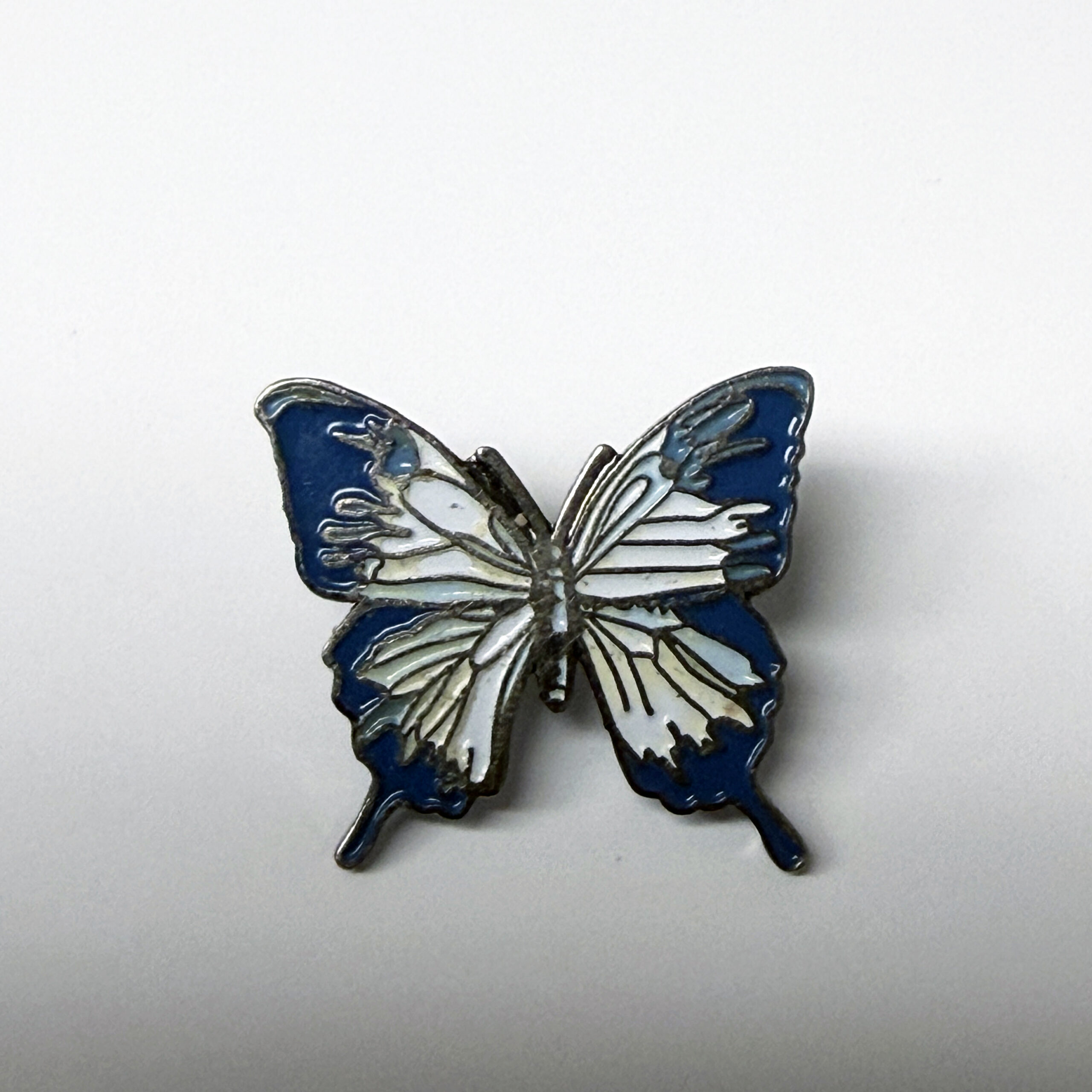
Rachel keeps one of her father’s old butterfly pins on the bulletin board above her desk at work, a small reminder of her father’s legacy and the spirit of service that continues to inspire her work.
Correction: The November 4, 2026, print version of this story misstated the timeline of the NODA chapter’s launch. George Caley died May 12, 2023, and the NODA chapter launched January 30, 2025. The online version of this story reflects the correct timeline.